You know, in today’s world, getting everything just right is super important, and that’s where the GNSS INS system comes in.
It’s pretty amazing how this tech is shaking things up across different industries. Recent market reports suggest that by 2025, the global GNSS INS system market could hit a whopping USD 10.6 billion! That’s a growth rate of about 6.3% per year.
Companies like Poseidon International Group (Hong Kong) Limited, which started back in 2013, are really leading the way. They’re all about independent research and making top-notch inertial navigation systems and fiber optic gyroscopes, among other cool stuff.
As the need for super accurate positioning and navigation keeps climbing, it's crucial for businesses to know how to find reliable suppliers that keep up with all the latest tech trends.
So, in this blog, we're diving into some key strategies for spotting the best suppliers in the GNSS INS system market. This way, businesses can really take advantage of this game-changing technology to boost their efficiency and precision.

The Role of GNSS INS Systems in Precision Measurement Advancements
You know, GNSS (Global Navigation Satellite System) and INS (Inertial Navigation System) tech has really taken off, right? It’s amazing how it’s boosting precision measurement across a bunch of industries. I came across this recent report from MarketsandMarkets that says the GNSS RTK (Real-Time Kinematic) market is expected to hit a whopping $5.7 billion by 2025! That just shows how much people are leaning towards super-accurate positioning solutions these days.
What’s really cool is how GNSS pairs up with inertial sensors to give us smooth tracking—even when satellite signals are a bit sketchy. It really makes measurements more trustworthy.
And here’s something interesting: a study from the European Space Agency notes that these GNSS INS systems can nail positioning accuracy down to just centimeters! That’s huge, especially for areas like construction, surveying, and even autonomous vehicles. Plus, they’ve got these smart algorithms that mix GNSS data with inertial measurements, making them even better in fast-moving situations. As industries hunt for more efficient and precise tools, I can’t help but think that GNSS INS systems are going to be more important than ever, pushing forward innovation and making operations smoother across the board.
2025 Insights on the Best Gnss Ins System Revolutionizing Precision Measurement
| Dimension |
Value |
| Accuracy (cm) |
1.5 |
| Integration Time (s) |
0.01 |
| Weight (kg) |
0.25 |
| Power Consumption (W) |
2.0 |
| Operating Temperature (°C) |
-40 to +85 |
| Positioning Update Rate (Hz) |
100 |
| Support GNSS Systems |
GPS, GLONASS, Galileo, BeiDou |
| Application Areas |
Surveying, Agriculture, Construction, Autonomous Vehicles |
Key Features that Enhance Measurement Accuracy in GNSS INS Systems
You know, the world of navigation tech is really changing fast! One of the coolest advancements has been the way Global Navigation Satellite Systems (GNSS) and Inertial Navigation Systems (INS) are coming together. It's a game-changer for precision measurements. Just look at the latest reports – they say the global GNSS market is expected to jump from around $220 billion in 2023 to about $350 billion by 2030. And a big part of that growth? It’s all thanks to those awesome innovations in GNSS INS tech. These systems are great because they mix the super accuracy of GNSS with the reliability of INS, especially when you’re in tricky spots where satellite signals can get blocked.
What really boosts measurement accuracy in GNSS INS systems are these advanced sensor fusion algorithms and multi-frequency GNSS capabilities. There’s this study from the International Association of Geodesy that says using multi-frequency signals can actually enhance position accuracy by up to 30%! That’s huge! It really cuts down on the annoying delays from satellite signals and those pesky multipath errors. Plus, with real-time kinematic (RTK) positioning techniques, you can get down to centimeter-level accuracy, which is super important for things like self-driving cars and precision farming. As these technologies keep getting better, they’re set to really shake things up for industries that rely on precise measurements.
Industry Data: The Impact of GNSS INS Systems on Surveying Efficiency and Cost Reduction
You know, the global land survey equipment market is going through some pretty exciting changes right now. It’s valued at around USD 5.0 billion in 2023 and is expected to jump to USD 7.76 billion by 2032! A big chunk of this growth is thanks to the leaps we’re seeing in GNSS INS systems. These amazing tools are really shaking things up when it comes to precision measurement in surveying. By combining Global Navigation Satellite System (GNSS) tech with inertial navigation systems (INS), they’re making data collection more accurate and efficient than ever. As a result, surveyors are finding their workflows seriously improved; they can now get measurements done with incredible precision and at lower costs.
And let’s not forget about recent innovations! We've got high-performance GNSS INS solutions specifically designed for mapping with UAVs, and they're a game changer. These state-of-the-art technologies are not just speeding things up; they’re also cutting down on the time and resources needed for surveying projects. As more companies hop on board with these advanced systems, it's obvious that productivity and cost-effectiveness are skyrocketing, which is great news for the industry's growth. So really, integrating GNSS INS systems isn’t just about better tech; it's a major shift towards a more efficient and effective approach to surveying.
Exploring the Applications of GNSS INS Systems Across Multiple Industries
You know, the way GNSS (Global Navigation Satellite System) and INS (Inertial Navigation System) technologies are coming together is really shaking things up in the world of precision measurement. This is especially true in fields like aerospace, automotive, and construction, where the need for super accurate positioning and navigation is really ramping up. According to a report from Research and Markets, it looks like the global GNSS market could hit a whopping $200 billion by 2026! That’s mostly thanks to all the cool innovations aimed at boosting operational efficiency and safety standards.

In construction and civil engineering, we've got GNSS INS systems stepping up to the plate, helping to simplify workflows and cut down on project costs. I mean, these systems can provide accuracy to within a couple of centimeters in real-time, which is huge! It really makes a difference in surveying, managing sites, and even operating heavy machinery. A study by MarketsandMarkets shows that the use of GNSS technologies in construction is expected to grow around 16.5% annually from 2021 to 2026. This really highlights just how crucial they are for speeding up project timelines and managing resources effectively.
And let’s not forget about the automotive industry! It's going through a big change right now with the rise of autonomous vehicles, which lean heavily on GNSS INS systems for trustworthy navigation and awareness of their surroundings. A report from Allied Market Research predicts that the automotive GNSS market alone will surpass $75 billion by 2025. That's a clear sign of how essential accurate location data is becoming for creating safer and more efficient transport systems. All in all, this shift across different industries really shows just how vital GNSS INS technology is becoming in our modern world, enhancing accuracy and reliability in so many key applications.
Future Trends: How GNSS INS Systems are Shaping the Future of Precision Measurement Techniques
You know, as GNSS INS systems keep evolving, they're really becoming a key player in improving precision measurement techniques across so many industries. It’s projected that the global GNSS market is gonna hit about $240 billion by 2027 – that’s pretty impressive, right? This growth is mainly thanks to tech advancements and the ever-growing need for accurate positional data. I read a report from ResearchAndMarkets, and they noted that when GNSS is teamed up with inertial navigation systems, it offers way more reliable positioning in tricky spots where regular GPS just can’t cut it, like those urban canyons or even in dense forests.
For anyone working in this field, it’s essential to think about how to smoothly integrate GNSS INS systems into their existing workflows. These systems are capable of delivering real-time data that can boost accuracy by as much as 90% even when conditions are less than ideal.
A little tip: Keep your software and hardware for GNSS INS systems updated regularly. This way, you'll not only maintain peak performance but also keep pace with new technologies that can make your measurements even more precise. Oh, and don’t forget to look into some training programs for your team – that can really unlock the full potential of these advanced systems in your projects!
As industries start leaning more into automation and integrating the Internet of Things, the demand for precise measurements is only going to ramp up. Bringing on board GNSS INS technology is not just about tackling today's measurement challenges; it's also about paving the way for innovations that are poised to redefine industry standards.
Comparative Analysis: GNSS INS vs. Traditional Measurement Systems for Optimal Performance
You know, the way GNSS (Global Navigation Satellite System) has evolved alongside Inertial Navigation Systems (INS) is pretty amazing. It really marks a big change in how we measure precision. Traditional systems? They often stumble when faced with challenges, like those pesky multipath effects. That’s when satellite signals bounce off stuff before they reach the receiver, making it tough to get an accurate position. It’s clear that we need some advanced tech to deal with all that. Luckily, recent breakthroughs in multi-path hemisphere mapping are stepping up, showing they can really boost GNSS accuracy by tackling those issues directly.
Studies are showing that when you throw GNSS and INS together, the accuracy skyrockets compared to the old-school methods. We’re talking about real-time positional accuracies that can get down to centimeters! That’s pretty wild compared to traditional approaches that might only get you a few meters under the same conditions. Plus, thanks to cool things like better algorithms and sensor fusion techniques, GNSS INS systems can still work reliably even when the signal’s blocked. This tech revolutionizes a bunch of industries, from self-driving cars to precision agriculture. Honestly, this leap isn’t just about being more efficient; it's also opening up all kinds of new possibilities for applications that need high-quality spatial data.
2025 Insights on the Best GNSS INS System Revolutionizing Precision Measurement
This chart compares the accuracy and efficiency of GNSS INS systems versus traditional measurement systems across different tasks. The data illustrates the improvements in precision and time savings using advanced technology in various measurement applications.
Unlocking Accurate Navigation: The Role of High Precision Integrated INS970 in GPS-Denied Environments
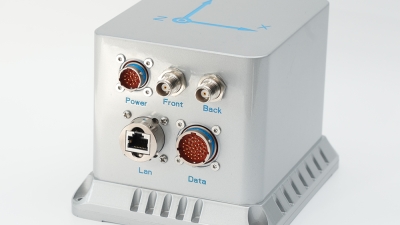
In an era where precision is indispensable, especially in offshore oil and gas operations, the Poseidon INS970 High-Precision Integrated Navigation System emerges as a cornerstone technology that significantly enhances navigation capabilities in GPS-denied environments. These operations often face unique challenges, including deep-sea exploration and infrastructure maintenance in hazardous settings, where minimizing risk and improving reliability are paramount. According to a recent industry report, nearly 40% of offshore drilling errors stem from inadequate navigation systems, demonstrating a critical need for advanced solutions like the INS970.
The INS970 integrates sophisticated technologies, combining fiber optic gyroscopes (FOG) and MEMS accelerometers with multi-system satellite navigation, including GPS, BDS, GLONASS, and Galileo. This combination ensures unmatched accuracy and reliability, providing real-time data crucial for effective subsea navigation and asset inspection. The system delivers comprehensive data on heading, attitude, position, and speed, which is essential for the safety and efficiency of operations in complex marine environments.
Moreover, its compact design and low power consumption make the INS970 adaptable for various applications, from aerospace and UAVs to marine engineering surveying. With support for external sensors like odometers and DVLs, this system provides seamless navigation across diverse environments. As the offshore industry moves towards more autonomous operations, the Poseidon INS970 stands out as a pivotal tool to unlock accurate navigation, paving the way for safer and more efficient energy production.
FAQS
: GNSS INS technology integrates Global Navigation Satellite System with Inertial Navigation System to provide seamless tracking and measurement capabilities, even in environments where satellite signals are obstructed, thus enhancing measurement reliability.
The GNSS RTK market is projected to reach $5.7 billion by 2025, indicating a growing reliance on high-accuracy positioning solutions.
GNSS INS systems can achieve positioning accuracy within centimeters, which is crucial for applications in construction, surveying, and autonomous vehicles.
Advanced algorithms that fuse GNSS data with inertial measurements contribute to improved performance, particularly in dynamic and challenging environments.
The global GNSS market is projected to reach $240 billion by 2027, driven by technological advancements and increasing demand for accurate positional data.
The use of GNSS INS systems can improve measurement accuracy by up to 90% in challenging conditions.
Professionals should focus on the seamless integration of GNSS INS systems into existing workflows, regular updates of software and hardware, and training programs for staff.
The emphasis on precise measurements is growing due to the embrace of automation and IoT integration, which require highly accurate data for operational efficiency.
The incorporation of GNSS INS technology addresses current challenges in precision measurement and sets the stage for innovations that redefine industry standards.
It is recommended to regularly update the software and hardware components of the systems and to invest in training programs for staff to maximize the potential of these advanced systems.

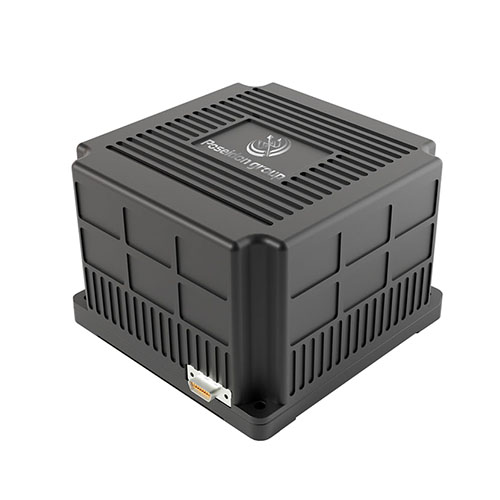 TBSD60
 BSD120
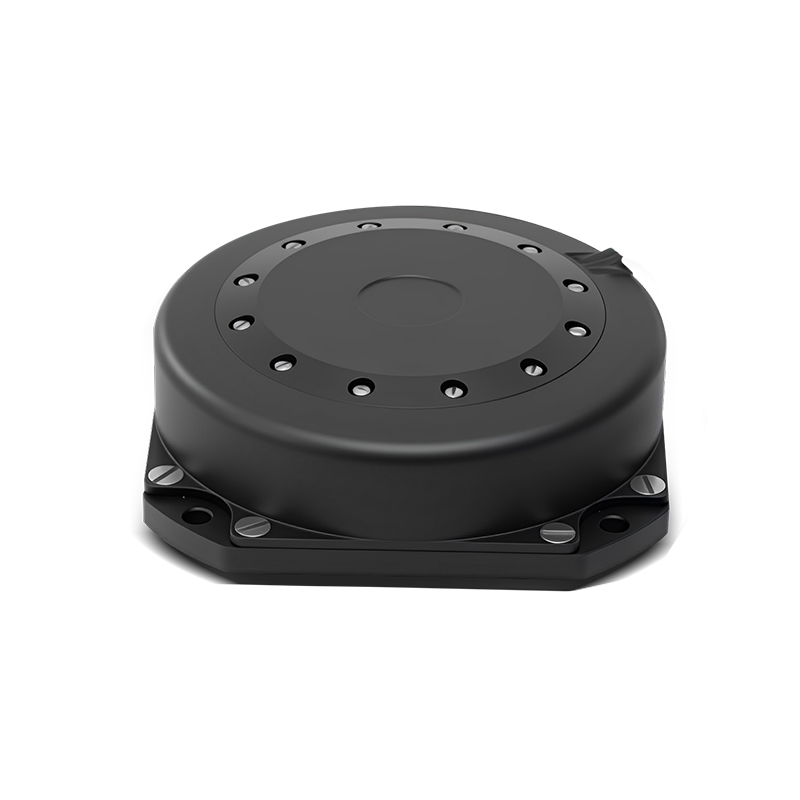 BSD98
BSD98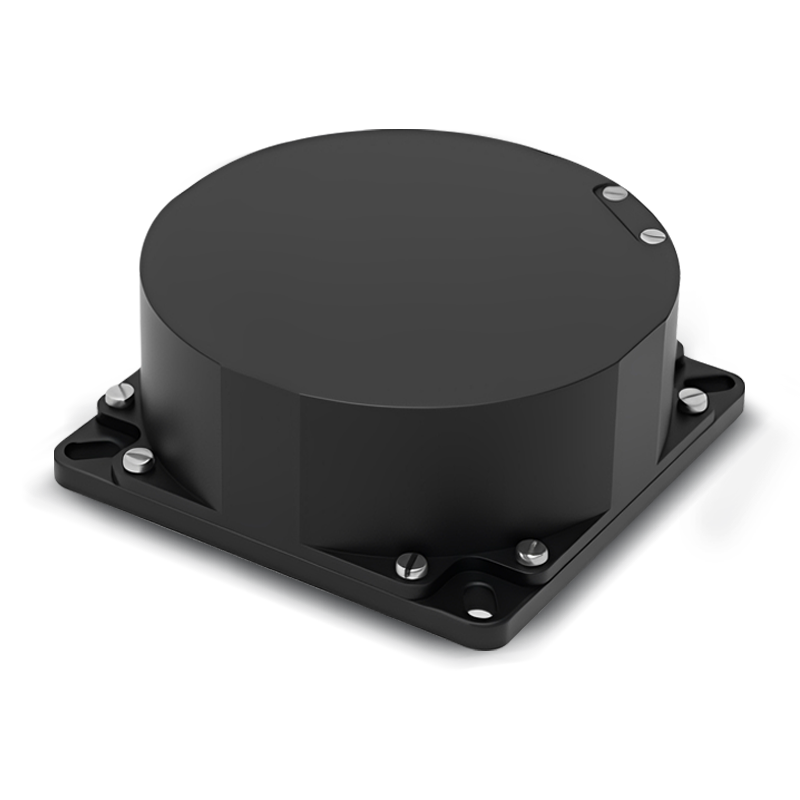 BSD70
BSD70 BSD60
BSD60 BSD50
BSD50 BSD217
 INS1700
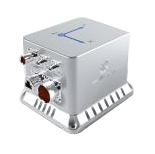 INS970
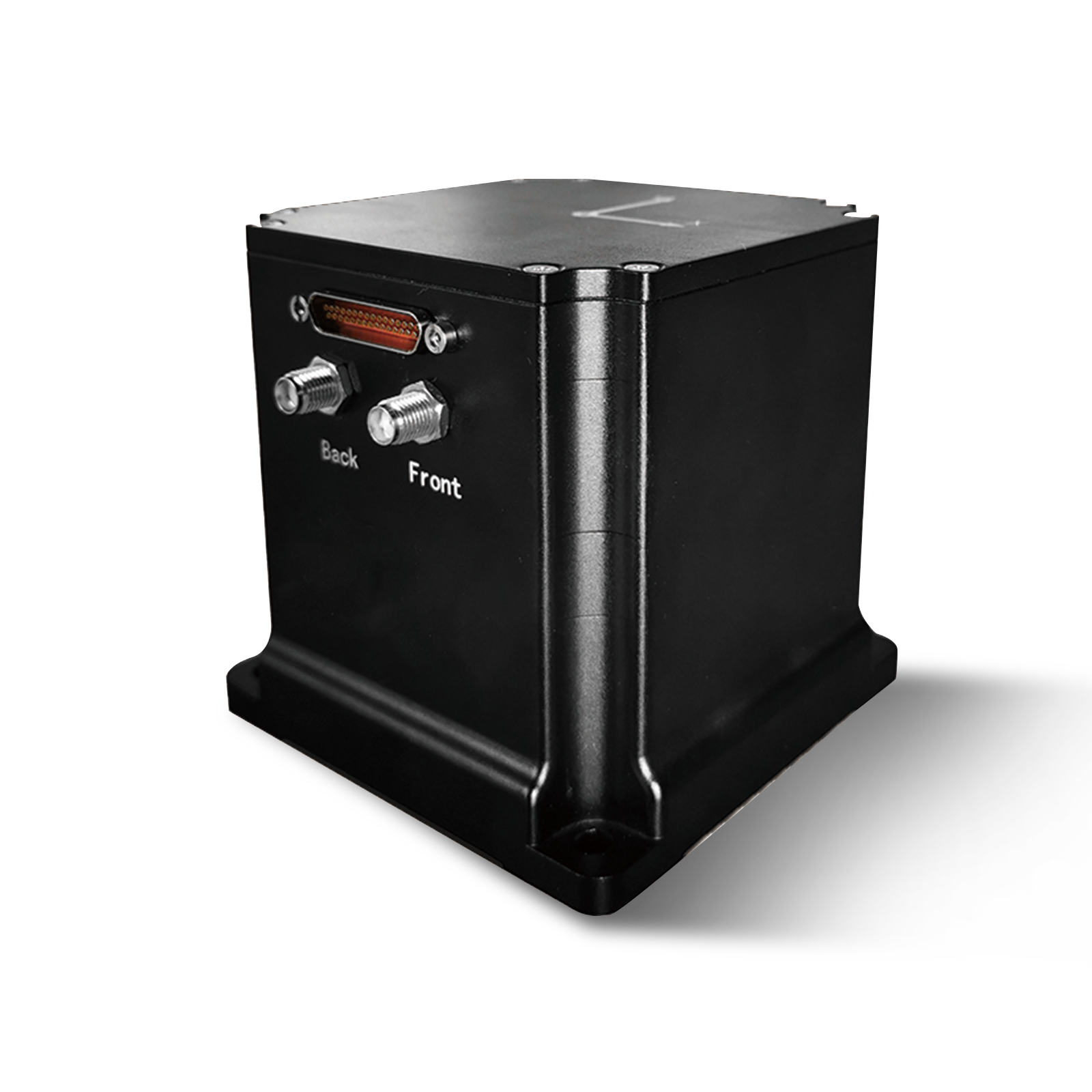 INS570
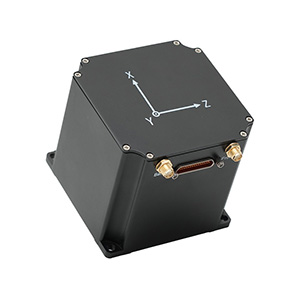 INS170
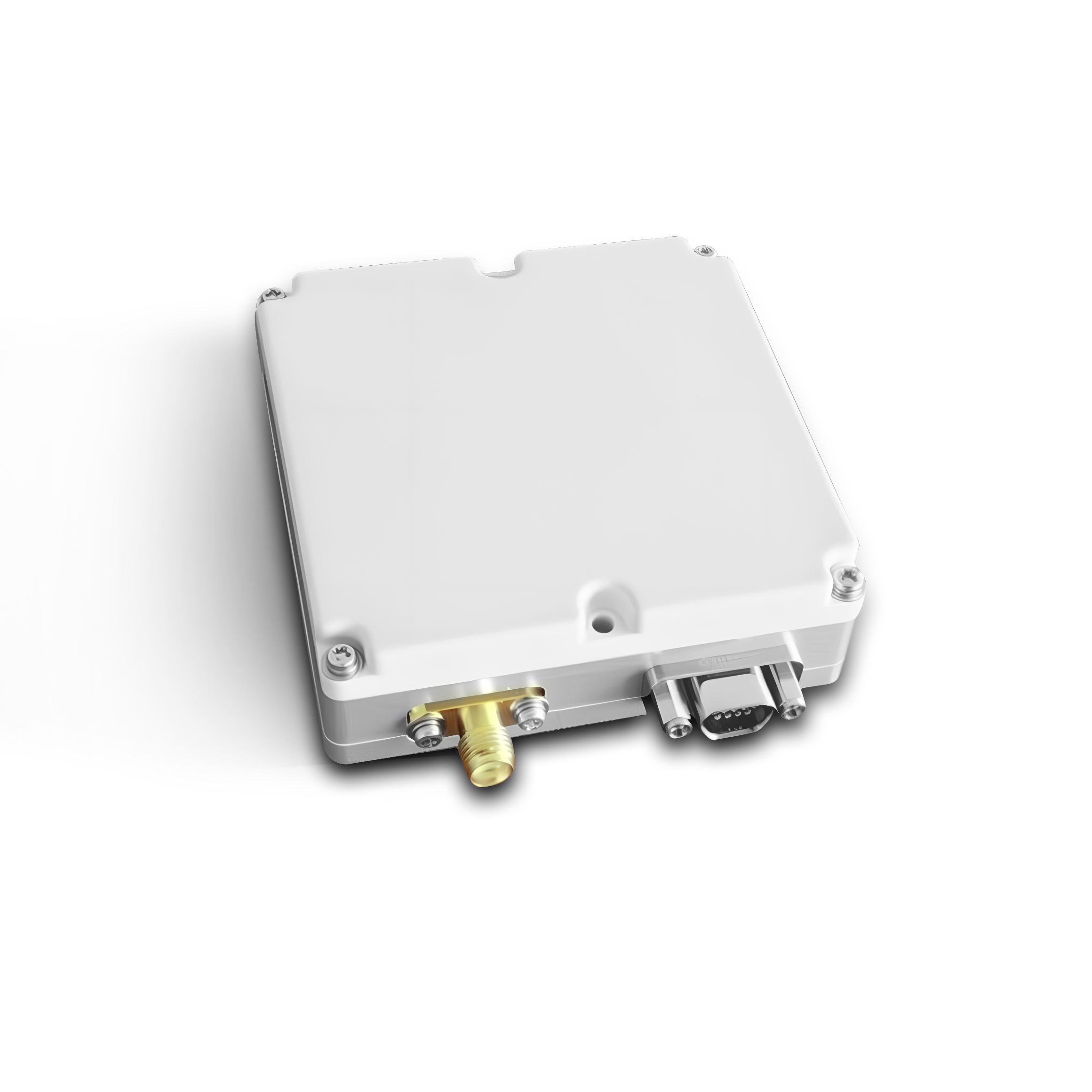 SLA-4B1L1-65
 SLA-4B1L1-130
 SLA-8B1L1-165
 DIVER 101
 DIVER 102
 DIVER 103
 DIVER 104
 DIVER 105
 DIVER 106
 SLLR3000
 SLLR905
 SLLD25
 160M
160M 170M
170M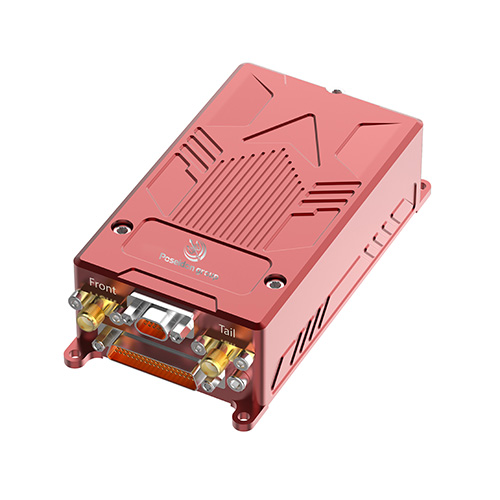 SLFC-70
 SLAF280
 MR360
MR360